P/N 2455038-2: Aircraft Cooling System Part
P/N 2455038-2: Aircraft Cooling System Part
Blog Article
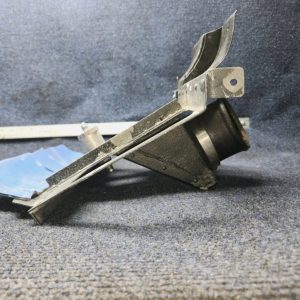
P/N 2455038-2 may support scheduled maintenance, engine-compartment restoration, corrosion repair, accident recovery, or project-aircraft completion.
Accurate use of Cessna 172RG Rear Right-Hand Baffle, Cessna 172RG Engine Baffle, and Cessna 172RG Cooling Baffle terminology improves SEO without overstating fitment.
Whether described as a Cessna Cutlass Engine Baffle, Cessna 172RG Baffle Assembly, Rear RH Engine Baffle, or Aircraft Engine Baffle Assembly, precise configuration verification remains essential.
The Cessna Engine Cooling Baffle works with other Cessna 172RG Engine Compartment Parts to reduce unwanted air leakage and direct airflow through intended cooling paths.
A Cessna Aircraft Engine Baffle can form part of an Engine Cooling Baffle Assembly, while a Cessna Cutlass Cooling System Part must correspond with the installed aircraft and engine configuration.
Understanding P/N 2455038-2
A component should not be accepted as P/N 2455038-2 solely because it appears to fit the rear right-hand engine area.
Any alternate number, superseded number, drawing reference, repair marking, or donor-aircraft serial number should remain connected with the component.
Understanding Cessna Engine Cooling Airflow
System-level inspection supports more effective engine-compartment maintenance.
Complete evaluation helps maintenance personnel address the underlying cooling concern.
Cessna 172RG and Cutlass Compatibility
The offered assembly should be compared with the removed component, mounting points, adjacent baffles, cowling, and technical illustrations.
The replacement baffle should align naturally with surrounding parts and retain required clearances.
Aircraft Engine Baffle Construction
Preserving original geometry supports proper alignment and airflow management.
Previous forming or repair work should be disclosed and inspected carefully.
Rear RH Baffle Damage Inspection
A detailed inspection provides stronger evidence than a general good-condition description.
The assembly should be checked for evidence of engine vibration, cowling contact, exhaust heat, fluid contamination, impact, improper removal, and unsuitable storage.
Maintaining an Effective Cooling Boundary
Torn, hardened, curled, shortened, oil-soaked, missing, or incorrectly oriented seals can reduce the effectiveness of the cooling system.
Seal attachment holes and retaining strips should be inspected for corrosion, cracking, elongation, and previous modification.
Engine Compartment Contamination Concerns
Professional corrosion treatment helps preserve the remaining baffle within acceptable limits.
The cause of contamination should be corrected before a replacement baffle is installed.
Inspecting Rear Baffle Attachment Points
Stop-drilled cracks should not be treated as complete repairs without supporting technical information.
Fastener type, diameter, grip, spacing, and installation method should correspond with applicable data.
Cessna 172RG Engine Compartment Parts
A rear-baffle replacement may require adjacent baffles, seals, brackets, clips, fasteners, retainers, supports, and cowling-related components.
Used Cessna 172RG Engine Compartment Parts should be evaluated individually rather than accepted solely because they came from the same donor aircraft.
Avoiding Unnecessary Component Replacement
Temperature sensors and gauges should be evaluated when readings appear inconsistent with other operating evidence.
The condition of cylinder fins, oil cooler airflow, hoses, ignition timing, induction, exhaust, and other engine systems may also influence operating temperatures.
Repairing a Damaged Engine Baffle
A localized defect may be repairable, while widespread cracking, severe corrosion, or distorted geometry may support replacement.
Professional workmanship can extend component value while preserving cooling-system geometry.
Evaluating a Used Aircraft Cooling Baffle
The commercial value of P/N 2455038-2 depends on verified identity, aircraft applicability, condition, completeness, repair history, seals, brackets, traceability, and included hardware.
The listing should state whether the component is new, used, repaired, inspected, untested, serviceable, or offered for parts.
Evaluating P/N 2455038-2
Any uncertainty regarding orientation, completeness, engine clearance, or aircraft compatibility should be resolved before shipment.
- Compare the baffle with applicable parts information, the removed component, surrounding panels, mounting locations, dimensions, brackets, seals, and cowling clearances.
- Examine hidden surfaces, fastener areas, formed corners, seal-retaining edges, lower sections, and mounting points carefully.
- Inspect and photograph the assembly immediately after delivery before cleaning, stripping, drilling, bending, repairing, painting, or installation.
Preventing Damage During Storage
The baffle should be packaged with rigid support that protects thin sheet metal, formed flanges, brackets, mounting more info tabs, edges, seal retainers, and identification markings.
Identification tags and records should remain attached or clearly associated with the component.
Completing a Rear Baffle Replacement
Installation should be completed by appropriately qualified aviation maintenance personnel using applicable aircraft, engine, parts, and maintenance information.
Fastener holes should be inspected carefully, while hardware type, grip, spacing, and installation method should correspond with suitable technical data.
Disciplined installation and documentation protect the Cessna 172RG Rear RH Baffle Assembly
Routine Cessna Cutlass Baffle Care
Cleaning should preserve evidence long enough for maintenance findings to be documented.
Seal material should remain flexible, correctly oriented, securely attached, and positioned against the intended cowling surfaces.
Selecting a Cessna 172RG Cooling Component
The Cessna 172RG Rear RH Baffle Assembly
Careful technical and commercial evaluation can reduce fitment errors, missing-component costs, cooling-system gaps, installation delays, and unexpected corrosion findings.
Whether the project involves Cessna 172RG Engine Compartment Parts, an Aircraft Cooling Air Baffle, a Cessna 172RG Airflow Baffle, or a Cessna Aircraft Engine Baffle, every component should be inspected individually.
P/N 2455038-2 can deliver a professional combination of replacement value, cooling-system relevance, engine-compartment protection, and Cutlass application potential.
Report this page